Custom French Horn Building
Innovative designs and custom builds.
Every horn built here is a response to how you play.
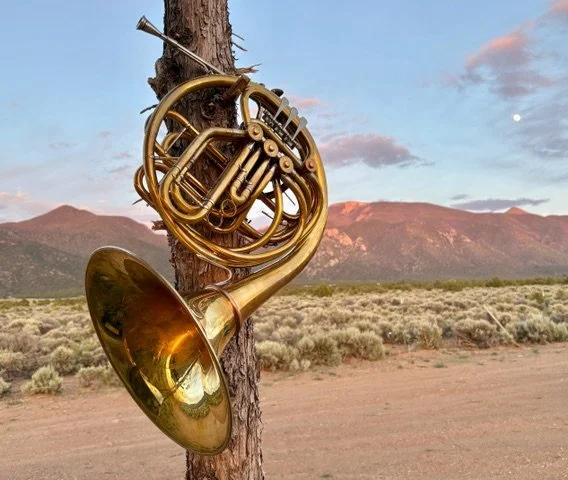

With every custom horn, Bruce starts with a list of questions. These questions are about response, intonation and how the horn feels under the hand in the third hour of rehearsal.
Once those questions are answered, your preferences get built into the metal. Bruce's design work is grounded in over three decades of playing at the highest level and a physicist's respect for what actually happens inside brass tubing. The Four Laws of Physics guide every build; the specific horn in front of the specific player determines the rest.
Designs
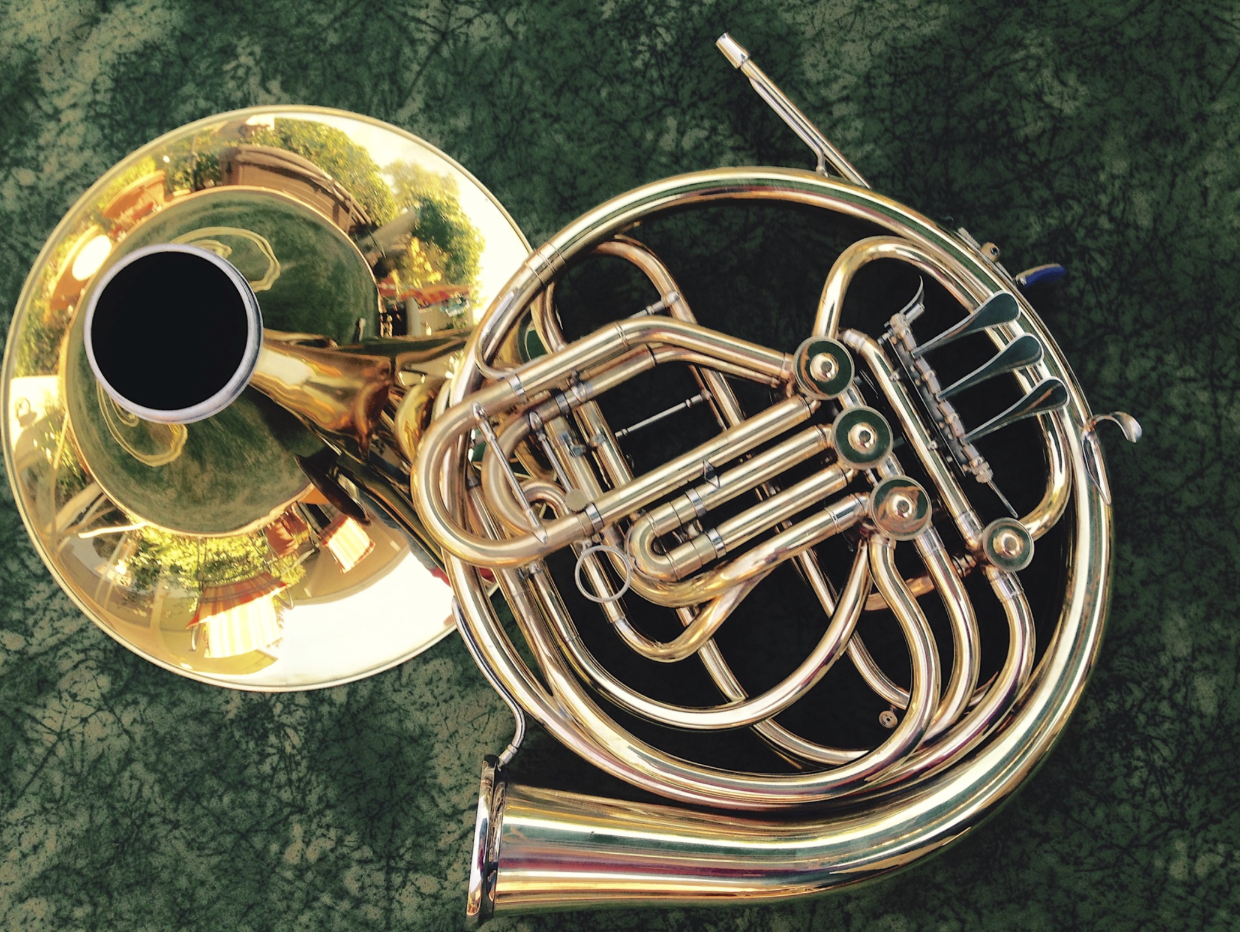
BR-3 (Wunderlich)
The first design built to address changes in resistance with different fingerings. This design uses larger bore sizes for longer tubing. The wrap of the horn is more open and the airflow is the same direction for both Bb and F sides. The third valve tubing is more open as well. It is tucked behind the horn on the bell side.
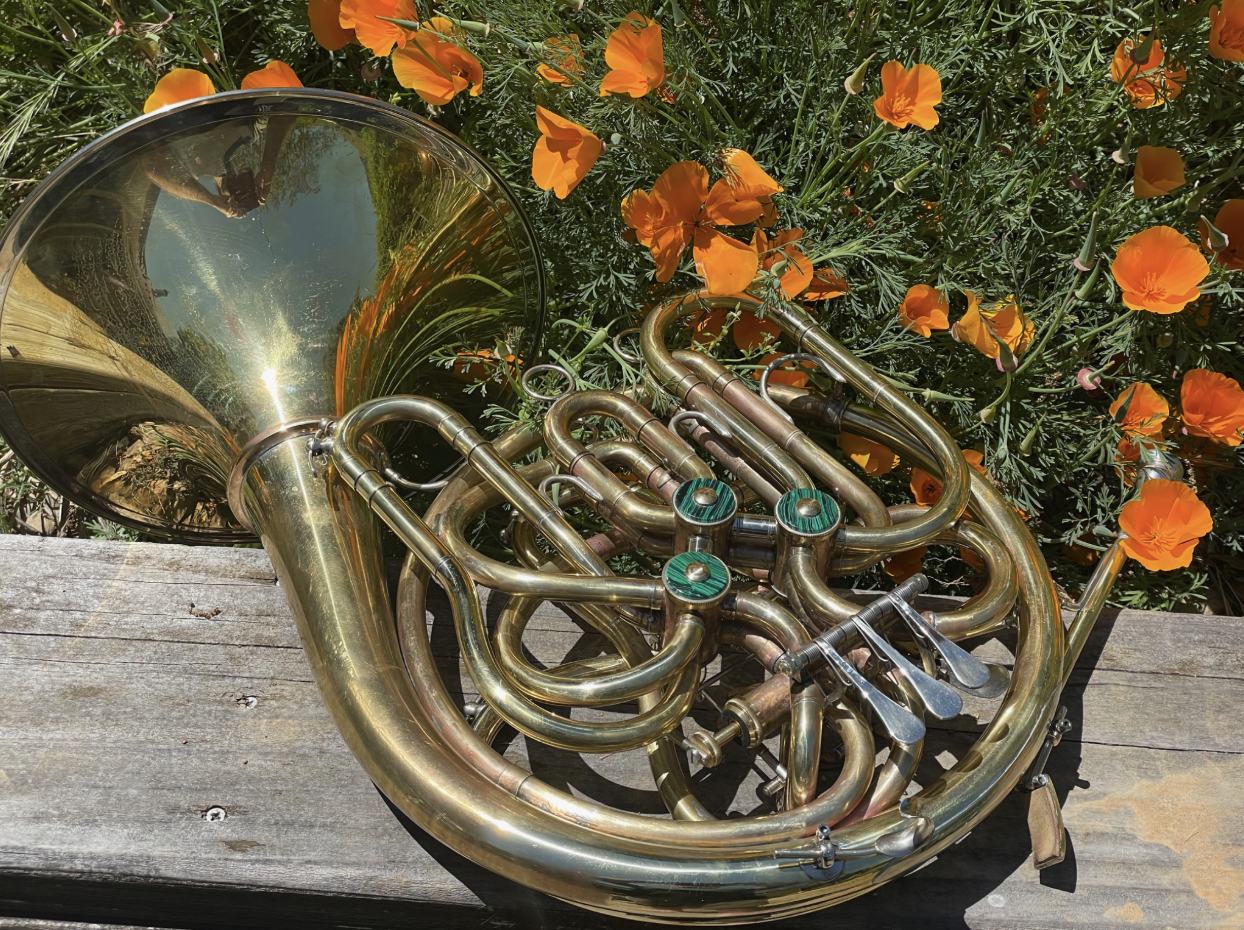
BR - 9 (Schmidt 3.0)
Bruce's most recognized and iconic design. A modern take on the historic C. F. Schmidt with a piston change valve but using a triangle valve architecture. Tubing diameter is multi-bore, tuned for a wide dynamic range and great response without sacrificing high-register response. This is for serious players who move between orchestral, chamber and solo performances.
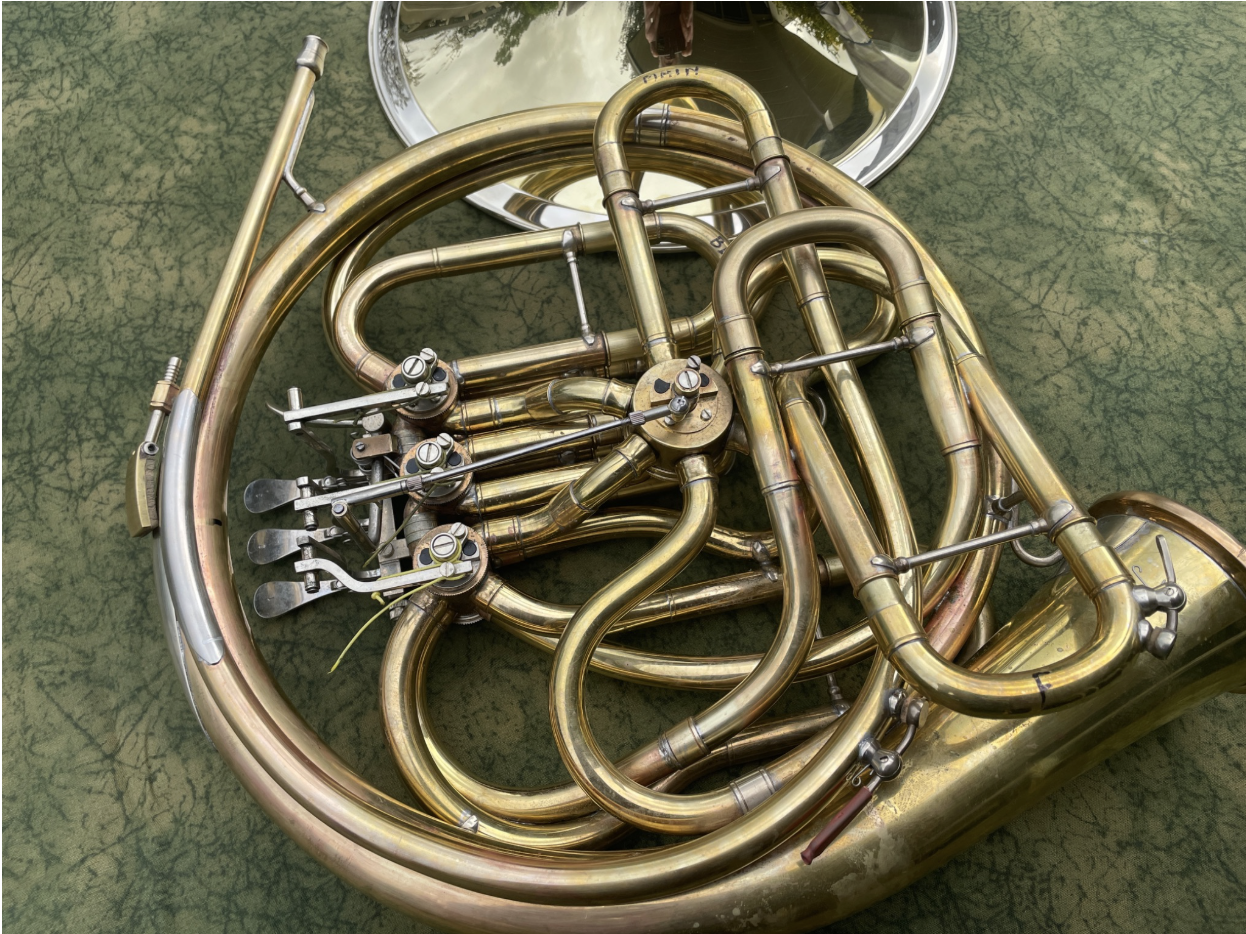
BR - 11
A new usage of the 6 port Alexander “Silver Dollar” change valve, placed in the center of the horn. Although this design uses a traditional straight set of rotors, the design is nothing like a traditional horn. Placing the change valve in the center gives much more freedom for tubing placement. This design is also multi-bore.
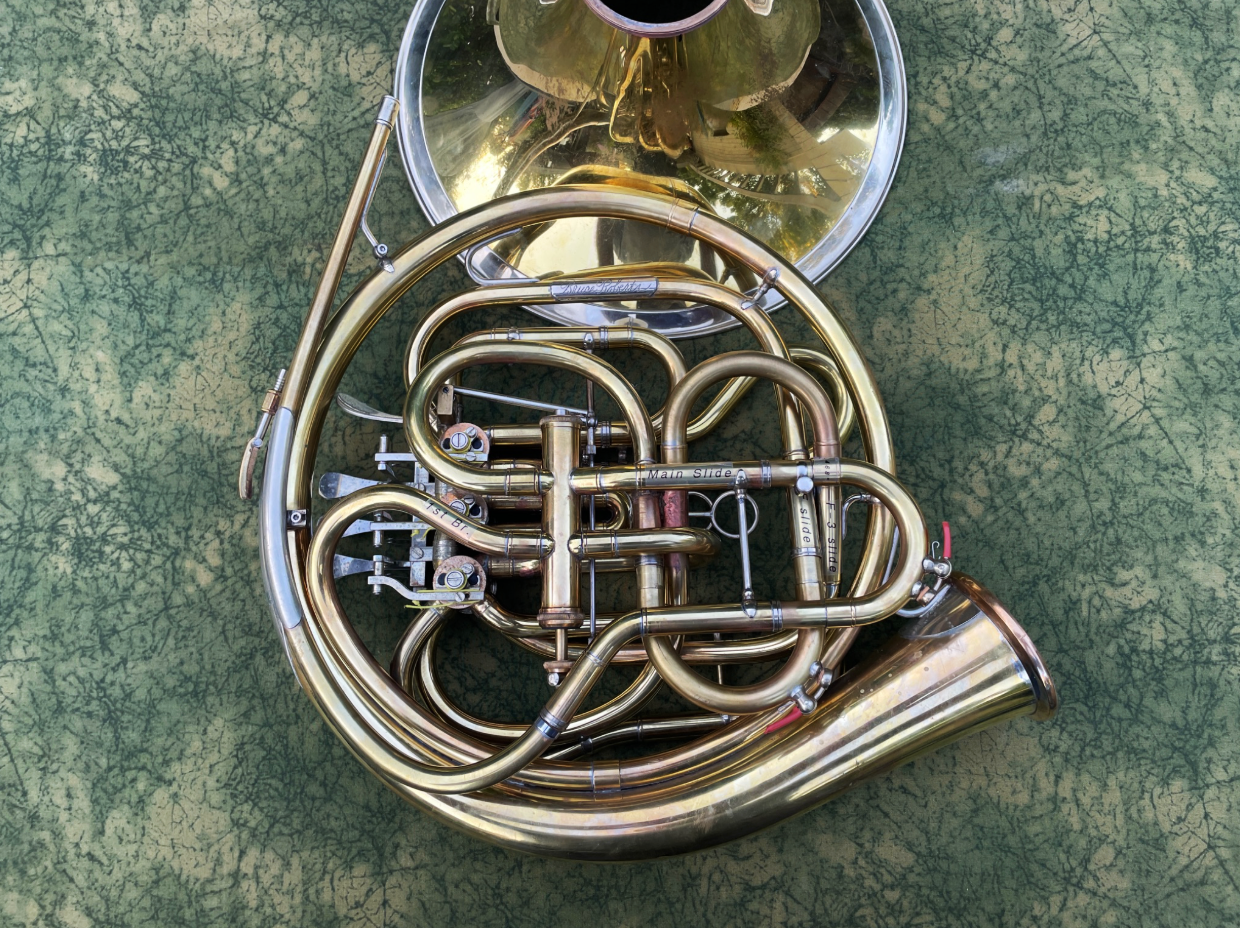
BR-6
Another version of a horn design using a piston change valve. This design looks a bit more traditional from the front but don’t be fooled. It has very short Bb connector tubes which makes it possible to have a very long first branch. All of Bruce’s models use a multi-bore design that creates resistance stability.
The Commission Process
A custom horn takes time.
Bruce works with a small number of commissions per year, and every one starts with a deep understanding of the player. If you're considering a commission, the best first step is a consultation.
