Essays, diagnostic frameworks, and the thinking that shapes the work.

Essays
-
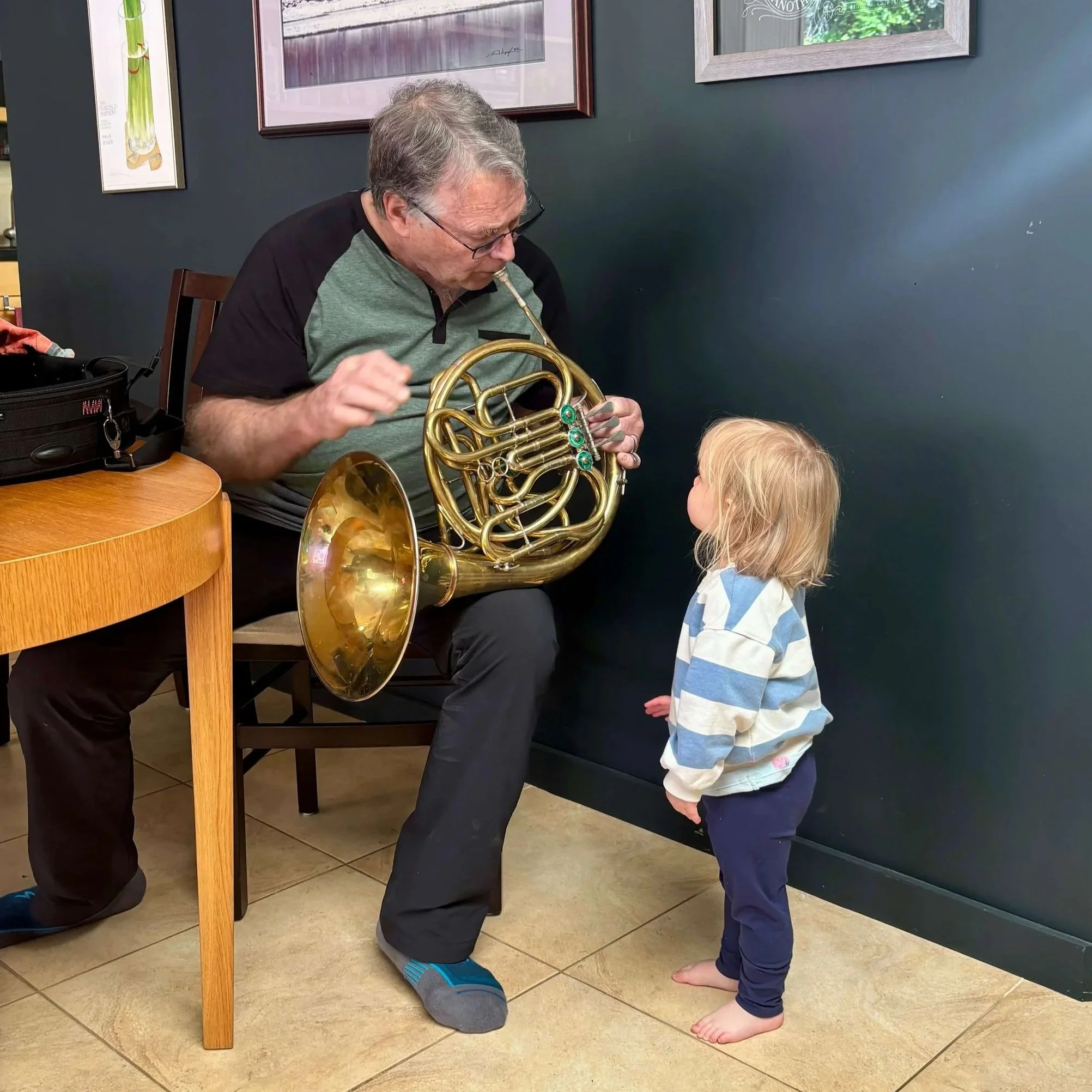
During my early days playing in the San Francisco Symphony our principal horn, Dave Krehbiel, was trying out all manner of different horns. We joked that he was a member of the “Horn of the Month” club. With each horn he would put it through its paces, testing for response, pitch, color, evenness, and ease of playing. He would play on stage at Symphony Hall for a while, and we listened out in the hall. Then others in the section would switch places and Dave would join the others out in the hall. Discussion would ensue and it became clear each of us had different preferences. We did this many times and this process taught all of us a great deal about how to judge a horn, how to define what we were hearing, and how to talk about it.
That is not to say this was easy. We disagreed at times, misunderstood each other’s preferences, and had difficulty expressing basic ideas about sound and response. Language and a common set of descriptions became essential to have a deep conversation. Over time, we refined our understanding and vocabulary with each other.
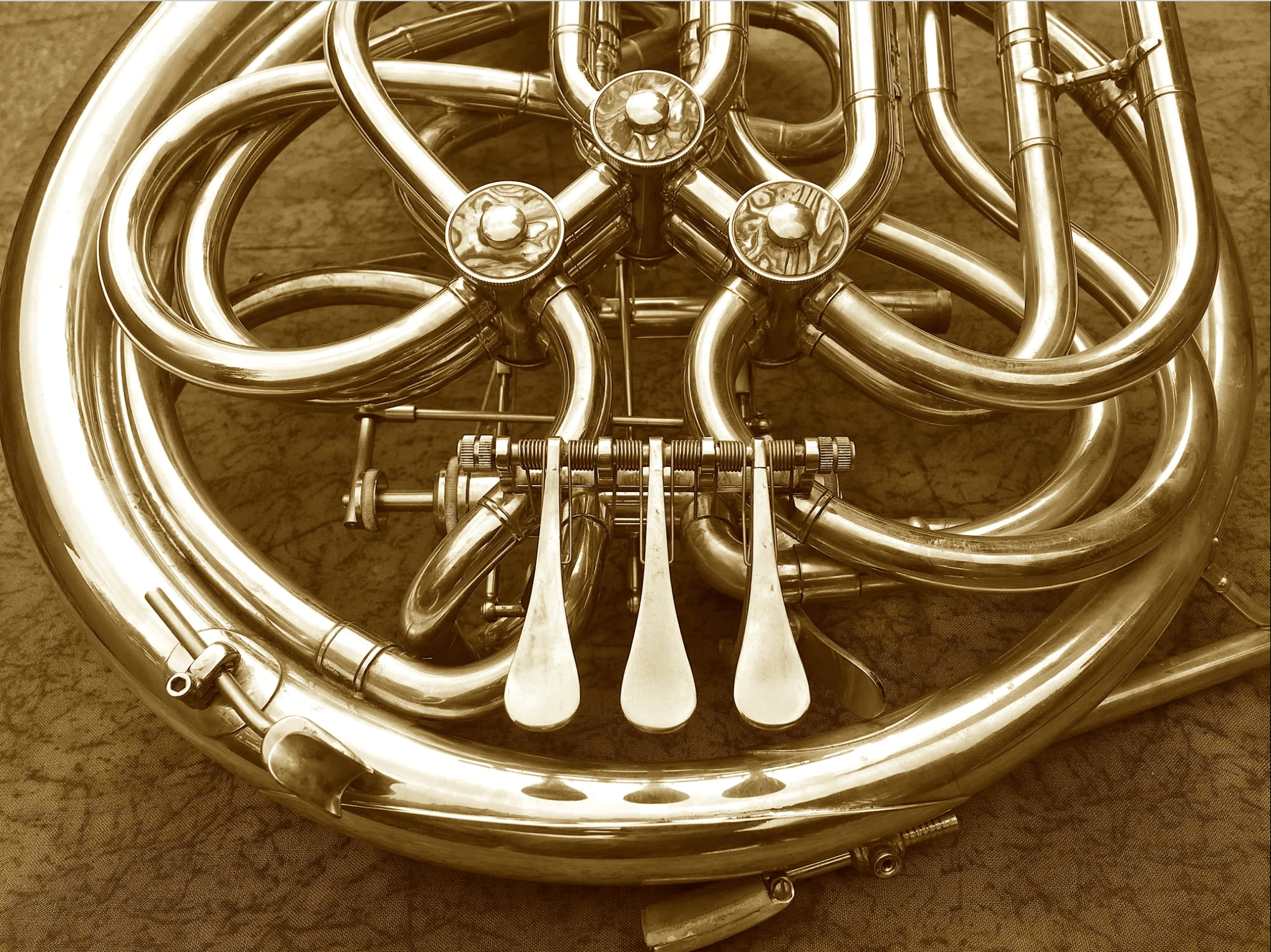
What we had in common was a desire to explore in depth what makes a horn tick. This is where I got the idea for my business name. We were applying forensic techniques to figure out horns. Thus, I felt the name Horn Forensics was the perfect name for what I have done in my shop as well as a fitting tribute to my colleagues in the San Francisco Symphony.
I have done considerable brass forensic work in my shop and with players: testing to see if a theory plays out on a horn. From this work I have come up with my own designs that use these findings.
-
CONNECT WITH BRUCE